
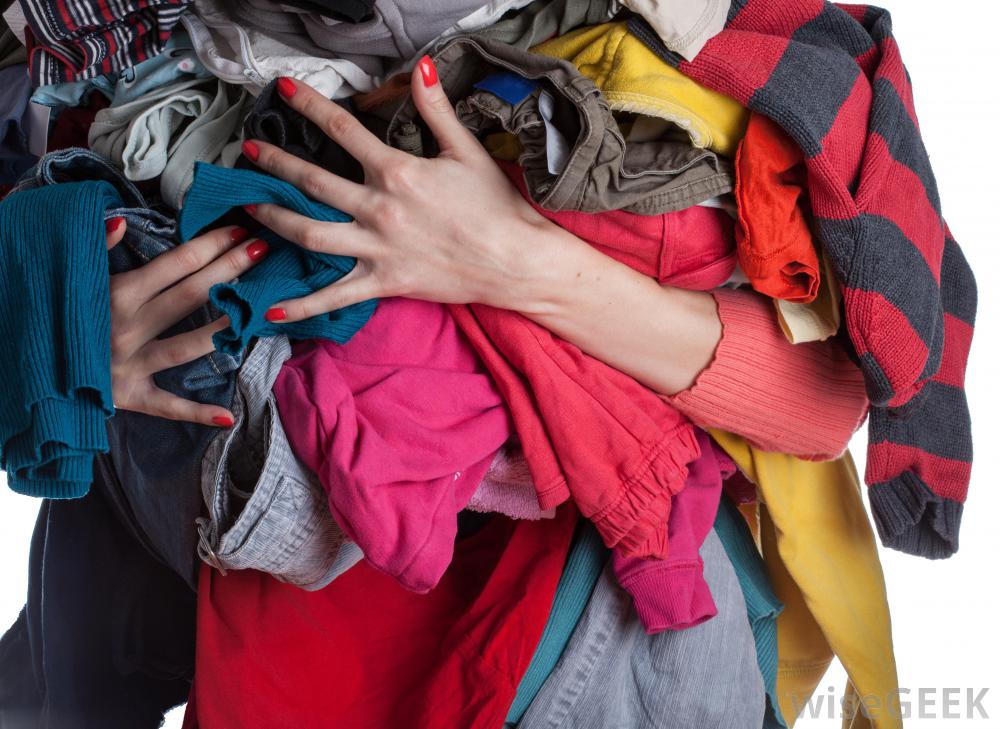
 Every single day in Hong Kong, approximately 373 tonnes (860,000 lbs.) of discarded textiles are dumped into landfills. Sadly, much of that textile waste is clothing that could have been reworn by someone else or recycled into new materials. More fundamentally, much of those textiles should probably never have been produced in the first place.
Enter ReDress.
ReDress is a Hong Kong-based NGO that partners with designers, manufacturers, and distributors to promote sustainability at all stages of the fashion life cycle. Their biggest annual event is the ReDress Design Award, which is the world’s largest sustainable fashion design competition. At the other end of the spectrum, ReDress also partners with fast fashion behemoth Zara to promote donation of used clothing for reuse or recycling. At various times of the year, customers can bring their unwanted clothes to Zara for donation in exchange for discounts on new merchandise.
And while I think that these donation drives can be problematic in promoting the idea that it doesn’t matter what we buy if we are “recycling” it is at least a way of diverting clothing already purchased from the waste cycle. This is where my kinda gross but also super awesome volunteering experience began…
The volunteer opportunity with ReDress was to help sort clothing donations at their receiving center in a Red Box storage facility in Chai Wan. (As an aside, I am learning that Hong Kong, like most cities, is a series of small distinctive neighborhoods. Some neighborhoods could literally be any city anywhere in the world, while others are decided “more Chinese.” Chai Wan is definitely at the “more Chinese” end of the spectrum.) At the Red Box facility, I was greeted by the volunteer coordinator and ushered into a room where there was a huge pile of clothes on the floor and donation boxes lining the walls.
We were instructed to sort the clothes and shoes into a few categories. The best items were destined for the Hong Kong ReDress pop-up boutiques to be resold. Second-tier items were designated for another charity organization. The clothing that didn’t make the cut for charity (because it was dirty or stained etc.) was sorted to be sent to a recycling center. Anything else (including broken jewelry, belts, and “pleather” clothing too damaged for charity) was sorted for the landfill.
There was tremendous variation in the quality and condition of the items donated. I pulled out some cute dresses from bridge designers in good condition for the ReDress pop-up boutiques. But for every cute number that could be sent to the ReDress box, there were plenty of pairs of underpants and socks. I was glad we had been given gloves and face-masks.
After about four hours of work, we had sorted all the clothes and I was ready to go home. On the train, I thought about how growing up our family seasonally went through our wardrobes and donated items we didn’t want or couldn’t wear anymore. As a little girl it was impressed on me that clothing is a valuable commodity and that it was important to try to give your unneeded clothes a “second life.” But most of the donated clothes that we processed were graphic t-shirts and flimsy polyester tops that obviously had only been worn a few times, but were just not fashionable anymore. I was reminded of one of my favorite online articles on downsizing, Sorry, Nobody Wants Your Parents’ Stuff.
Except it was all of our stuff. We don’t even want our own stuff anymore.
At the risk of sounding like old-person-yelling-at-cloud, it seems to me that the clothing of my youth was categorically different from the clothing we have today. My grandmother had high quality day dresses and blouses that she wore for years. But even as I try to adhere to a capsule wardrobe and a minimalist aesthetic in general, I cannot even imagine being able to hold onto clothing like she did.
It’s super frustrating that modern fast fashion has become an inescapable part of our consumer culture, and quality clothing is really only available at out-of-reach price points. I’ve written before about how unrealistic it is to expect middle class consumers (who are ALWAYS feeling the squeeze) to pay $75 US for a t-shirt made from organic fibers and utilizing fair trade practices, when a facsimile is available at H&M for $15. But maybe by being a little more mindful about our clothing at all stages- from the selection, to the care and maintenance, to the eventual decision to remove it from our environment – we can reduce the staggering amount of waste created by the shirts on our back.
 Nobles Family Blog